
11 Best Sensory Tools for Classrooms
- Shahram Ariafar
- May 6
- 6 min read

A student who covers their ears during transitions, another who cannot stay seated during group time, and a third who shuts down when the room gets visually busy may all be communicating the same thing in different ways - their sensory systems need better support. The best sensory tools for classrooms are not about adding more stuff. They are about making the environment more predictable, more regulating, and more accessible so students can participate with greater confidence, learning, and joy.
For educators and school leaders, that means choosing tools with a clear purpose. A sensory item should help a student regulate, engage, transition, or recover. If it becomes a distraction, a novelty, or a one-size-fits-all solution, it is not serving the classroom well. The most effective choices are matched to student needs, staff capacity, and the demands of the school day.
What makes the best sensory tools for classrooms
A useful sensory tool does one of three things well. It either helps the nervous system calm, helps the body get the input it needs for attention and readiness, or reduces the sensory load coming from the environment. The strongest classroom tools often do more than one.
They also fit naturally into practice. A weighted lap pad that can be used during circle time is often more realistic than a complex setup that requires one adult to supervise one student for long periods. In the same way, a visual timer may support regulation just as effectively as a tactile item when the core challenge is uncertainty during transitions.
This is where professional judgment matters. Sensory support is never only about the product. It is about observation, timing, and knowing whether the student needs alerting input, calming input, reduced stimulation, or simply clearer structure.
11 sensory tools worth considering
1. Noise-reducing headphones
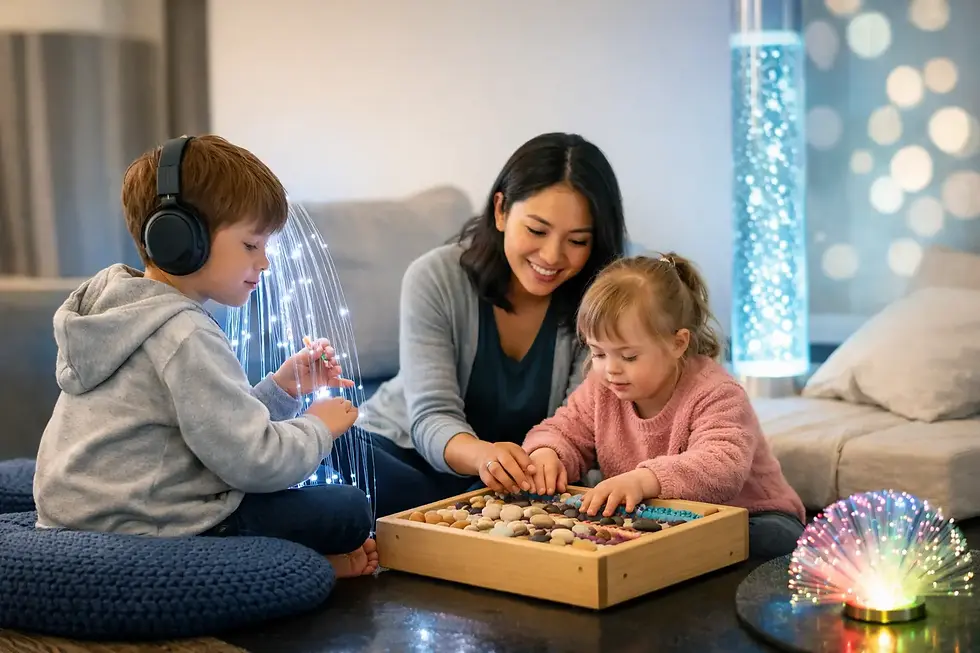
For students who are sensitive to scraping chairs, crowded hallways, cafeteria noise, or sudden sounds, headphones can prevent overload before it begins. They are especially helpful during assemblies, independent work, testing, and transitions.
The trade-off is that headphones can also reduce access to instruction and social interaction if used too broadly. They work best when staff define when and why they are used, rather than treating them as an all-day solution.
2. Fidget tools with clear boundaries
Used well, fidgets can support attention, hand activity, and self-regulation. They are often most effective for students who listen better when their hands are occupied or who need a discreet outlet for motor restlessness.
Not every fidget belongs in every classroom. Items that light up, click loudly, stretch dramatically, or invite play often shift from regulation to distraction. The better choice is usually simple, quiet, durable, and easy to teach.
3. Weighted lap pads
A weighted lap pad can offer grounding input during seated work, group lessons, or reading time. Many students respond well to the sense of stability it provides, particularly when they struggle with restlessness or anxiety.
As with any deep pressure tool, use should be individualized. Weight, duration, and supervision matter. It should feel organizing, not restrictive, and it should never be introduced without staff understanding how to monitor the student’s response.
4. Movement cushions and flexible seating
Some students regulate best when they are allowed to move while staying engaged. A movement cushion, rocking chair, foot band, or alternative seating option can make sitting more manageable without requiring constant correction from adults.
This category often works well because it respects a basic truth: for some learners, movement supports attention. Still, flexible seating should not become unstructured seating. Students need guidance on what the tool is for and when a standard chair may still be the better option.
5. Visual timers
Visual timers are often overlooked in conversations about sensory support, but they can be among the most effective tools in a classroom. When students can see how long an activity will last, the sensory and emotional load of waiting, transitioning, and ending a preferred activity is reduced.
This is especially useful for students who become dysregulated with unpredictability. A visual timer turns abstract time into something concrete and manageable.
6. Chewelry or oral motor tools
For students who chew sleeves, pencils, collars, or fingers, oral sensory tools can offer safer and more appropriate input. They may support regulation, attention, and reduced anxiety during seated tasks.
These tools require hygiene routines, staff awareness, and student-specific planning. They are highly useful for some learners and unnecessary for others. The key is identifying whether the chewing need is sensory, emotional, or situational.
7. Resistance tools for heavy work
Therapy bands on chair legs, resistance putty, stackable items to carry, or classroom jobs that involve pushing and pulling can provide proprioceptive input, often called heavy work. This kind of input is especially valuable for students who seem disorganized, restless, or under-responsive.
Heavy work is one of the most practical ways to support regulation because it can be embedded into the day. A student may focus better after carrying books to the library than after being told to sit still for the fifth time.
8. Sensory corner materials
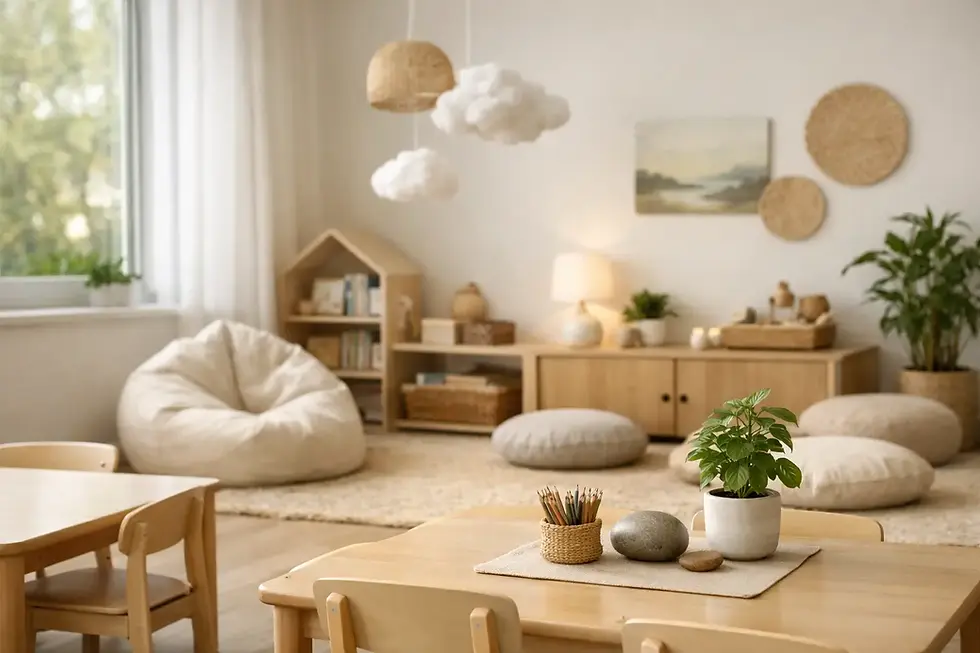
A well-designed sensory corner can support recovery, regulation, and emotional safety. Soft lighting, calming visuals, a beanbag or floor cushion, a weighted item, and a small number of intentional sensory tools can create a space that helps students return to readiness.
The quality of the setup matters more than the size. A sensory corner should not feel like a reward zone or an escape from every demand. It should be predictable, respectful, and guided by a clear purpose.
9. Tactile supports
Textured cushions, tactile paths, fabric swatches, sensory bins for planned activities, or hands-on manipulatives can help students who learn best through touch or who benefit from grounding tactile input.
This category is broad, which means thoughtful selection is important. Rich tactile experiences can increase engagement, but they can also overwhelm students who are tactile defensive. The same tool may calm one student and distress another.
10. Light filters and visual reduction tools
Classrooms are often visually and physically demanding. Harsh fluorescent lights, crowded bulletin boards, bright colors, and constant visual movement can increase fatigue and dysregulation. Light filters, study carrels, desk dividers, and calmer visual design can reduce sensory strain.
These changes are not always marketed as sensory tools, yet they can have a major impact. In some classrooms, removing visual clutter will do more for student regulation than buying another basket of fidgets.
11. Body socks and compression tools
For some students, full-body proprioceptive input supports organization, body awareness, and calming. Body socks and certain compression-based tools can be effective during planned sensory breaks or therapeutic activities.
These tools are best used with clear adult guidance. They are not appropriate for every setting or every learner, but when used intentionally, they can be powerful supports for students who seek deep sensory input.
How to choose sensory tools that actually help
The best sensory tools for classrooms are chosen after careful observation, not impulse buying. Start by asking what the student is communicating through behavior. Are they avoiding noise, seeking movement, chewing for regulation, losing control during transitions, or becoming overwhelmed by visual demand?
Then look at patterns. A tool that helps during math may not help during lunch. A student who needs calming input in the afternoon may need alerting movement in the morning. Sensory needs shift across contexts, and tools should be selected with that reality in mind.
It also helps to think at three levels: whole classroom, small group, and individual. Whole-class supports might include visual schedules, light adjustments, and quieter transitions. Small-group supports could involve alternative seating or tactile materials. Individual supports might include headphones, chew tools, or a weighted lap pad. This layered approach is often more sustainable than trying to solve everything at the individual level.
Common mistakes to avoid
One common mistake is giving a sensory tool without teaching its use. Students need modeling, routine, and language around what the tool is for. Another is assuming that a popular item is universally helpful. It rarely is.
A third mistake is separating sensory support from pedagogy. Tools work best when they are integrated into instruction, transitions, emotional support, and environmental design. If the classroom system remains chaotic, even good tools will have limited effect.
Finally, avoid viewing sensory tools as behavior control devices. Their purpose is not compliance. Their purpose is to increase access, regulation, participation, and dignity.
Sensory support works best when staff feel confident
The most meaningful results come when staff understand why a tool is being used, what signs of success look like, and when a strategy needs adjustment. That is why training and shared practice matter as much as the tools themselves. In our experience at Special Needs Toys Norway, classrooms make the strongest gains when sensory support is part of a professional, team-based approach rather than a collection of isolated products.
A well-chosen sensory tool can change the tone of a school day. It can make a transition feel safer, a lesson feel more accessible, and a student feel understood instead of corrected. That is the real goal - not a perfectly quiet classroom, but a learning environment where more students can participate with comfort, mastery, and confidence.

Comments